
Depression Therapy & Support
MOSAIC CLINIC · DEPRESSION THERAPY
When everything feels heavy, you don’t have to carry it alone.
Depression can make even familiar parts of life feel difficult. Sometimes it looks like persistent sadness. Other times, it is exhaustion, irritability, numbness, or losing interest in things that used to matter. At Mosaic Clinic, we offer compassionate, collaborative support to help you reconnect with what matters at your own pace.
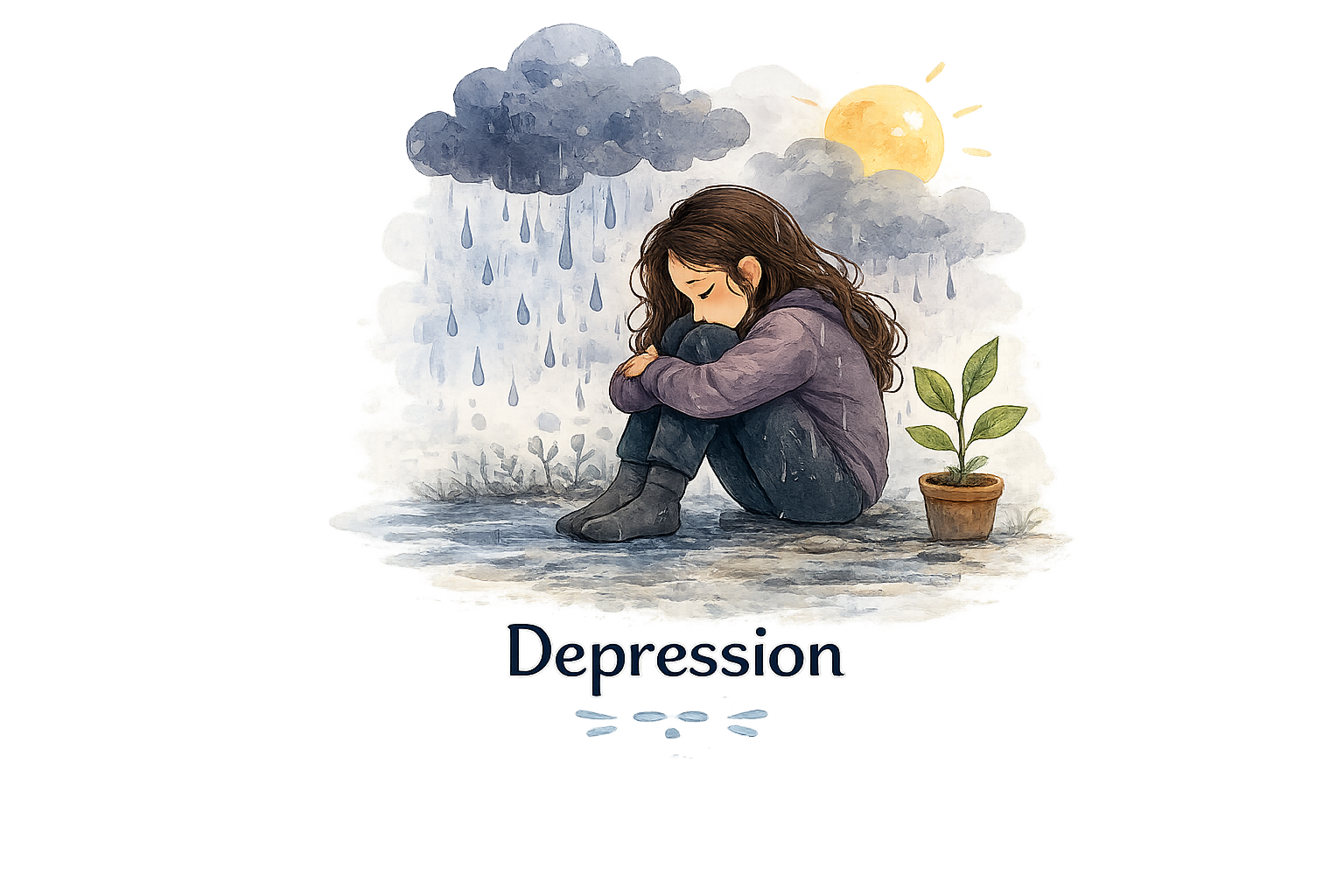
Understanding depression
Depression is more than having a bad day or feeling unmotivated. It can affect energy, sleep, appetite, concentration, relationships, and how you view yourself and your future. Symptoms can vary, and depression may occur alongside anxiety, trauma-related symptoms, chronic illness, or significant life changes.
The Anxiety & Depression Association of America (ADAA) describes how anxiety and depression frequently overlap. Experiencing both does not mean you have failed to cope—it means understanding the full picture is important.
What depression can look like
Mood and interest
Feeling down, empty, irritable, disconnected, or less interested in activities and relationships.
Energy and motivation
Feeling tired much of the time, finding ordinary tasks unusually difficult, or struggling to get started.
Thinking and self-worth
Difficulty focusing, indecision, harsh self-criticism, guilt, or hopeless thoughts.
Body and routines
Changes in sleep or appetite, slowed-down feelings, restlessness, or unexplained physical discomfort.
OPTIONAL SELF-REFLECTION · ABOUT 3 MINUTES
How have you been feeling over the past two weeks?
The PHQ-9 is a nine-question depression symptom screening tool. It provides an immediate score from 0 to 27 and an explanation of what the score can mean. It is not a diagnosis and does not replace a professional evaluation.
How therapy can help
Therapy is not about simply thinking positively or pretending difficult feelings are not there. Together, you and your therapist can explore patterns of mood, stress, relationships, sleep, avoidance, and self-criticism. Care may include cognitive behavioral therapy (CBT), behavioral activation, coping skills, self-compassion, and strategies for reconnecting with meaningful activities. Medication evaluation and coordination with other healthcare providers may be helpful in some situations.
Gentle ways to begin
Choose one manageable step
Instead of tackling everything, try one small action: open the curtains, step outside, or send a message.
Notice connection
Consider one safe person to reach out to, even if you do not feel ready for a long conversation.
Make room for rest
Support basic needs without turning sleep, food, or movement into another reason to criticize yourself.
Talk to yourself with care
When your inner critic gets loud, ask what you would say to a friend in the same situation.
Frequently asked questions
Does a high PHQ-9 score mean I have depression?
No. The PHQ-9 is a screening and symptom-monitoring questionnaire, not a stand-alone diagnosis. A clinician considers your symptoms, history, functioning, medical conditions, and other factors.
Can anxiety and depression happen together?
Yes. Many people experience both. Treatment can address overlapping concerns rather than assuming every symptom has only one cause.
What if I don’t know why I feel this way?
You don’t need a complete explanation before asking for help. Therapy can be a place to explore your experience without having to figure it all out first.
Support starts with a conversation.
Whether you are looking for practical tools, a compassionate space to process what is happening, or help reconnecting with daily life, Mosaic Clinic is here to support your next step.