

How to Launch a Collaborative Care Pilot in a Florida PCP Practice
Part 5 of 5: Collaborative Care for Florida Primary Care Practices A primary care practice does not need to redesign its entire behavioral health system on day one. A focused Collaborative Care Model pilot can test the workflow, clinical value,...
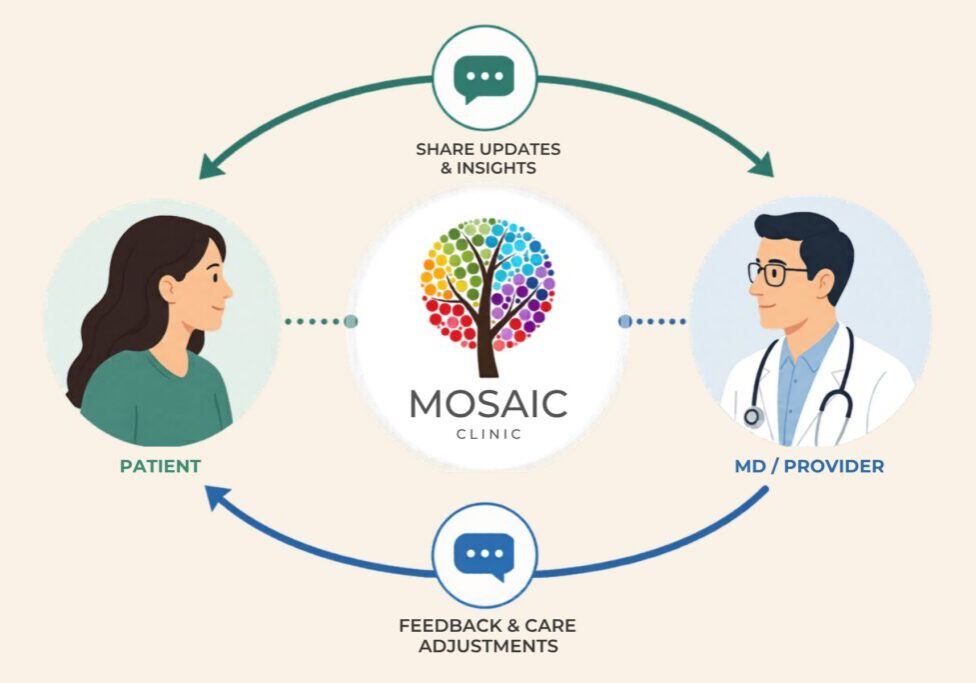
Medicare CoCM Billing: What Florida Primary Care Practices Should Know
Part 4 of 5: Collaborative Care for Florida Primary Care Practices The Collaborative Care Model is more than a good referral relationship. Medicare payment is tied to a defined clinical structure, qualifying behavioral health care management time, psychiatric consultation, patient...
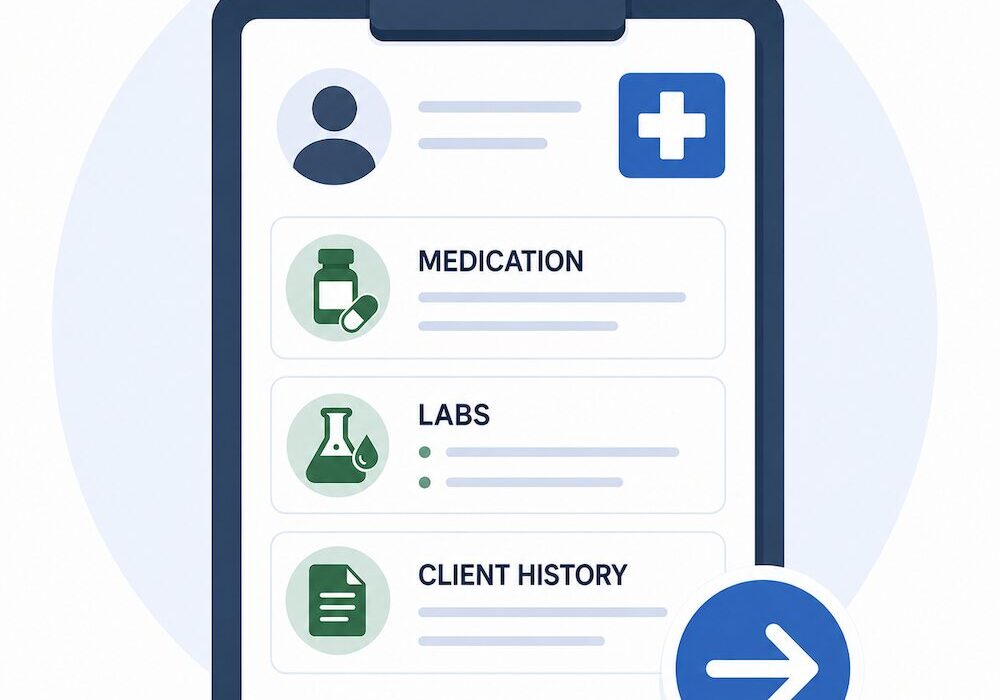
Why Florida Primary Care Practices Need the Collaborative Care Model
Part 1 of 5: Collaborative Care for Florida Primary Care Practices Primary care providers are already treating behavioral health—whether or not the practice has a formal behavioral health program. Depression may appear as fatigue or difficulty following a diabetes plan....
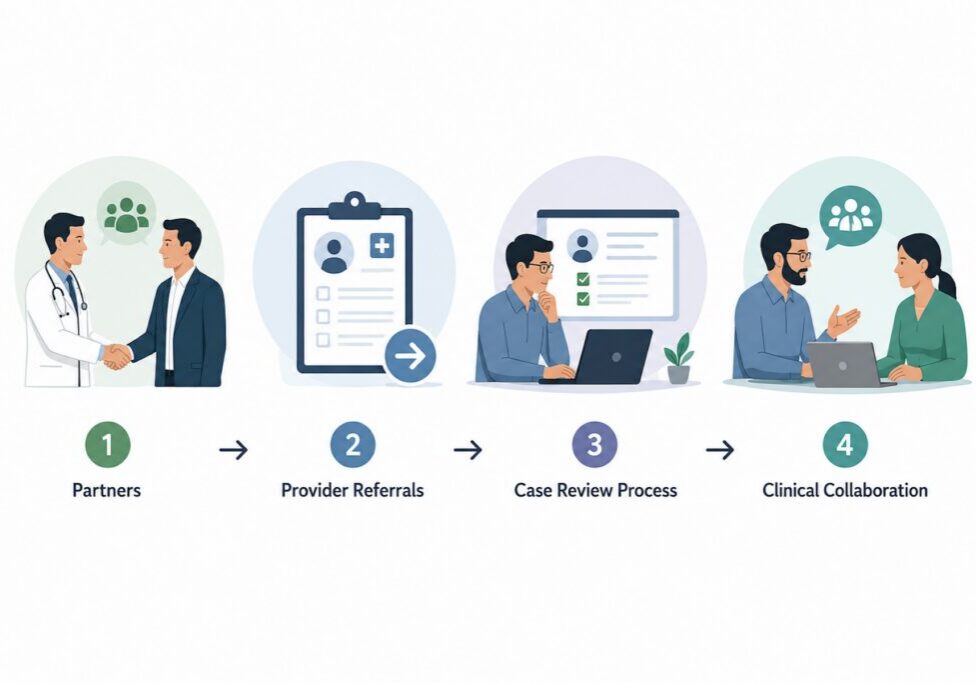
Collaborative Care in Florida Primary Care: A Practical Guide to the CoCM Model
Primary care providers are already treating behavioral health—whether or not the practice has a formal behavioral health program. Depression shows up as fatigue. Anxiety arrives disguised as chest tightness, insomnia, stomach problems, or repeated reassurance-seeking. Chronic illness can bring grief,...

A Warm Referral Can Be the Difference Between ‘Maybe’ and Getting Care
“You should probably talk to someone” may be clinically reasonable advice, but it is not always an actionable care plan. A patient who is already managing pain, fatigue, diabetes, cancer treatment, anxiety, or caregiver stress may not have the time...
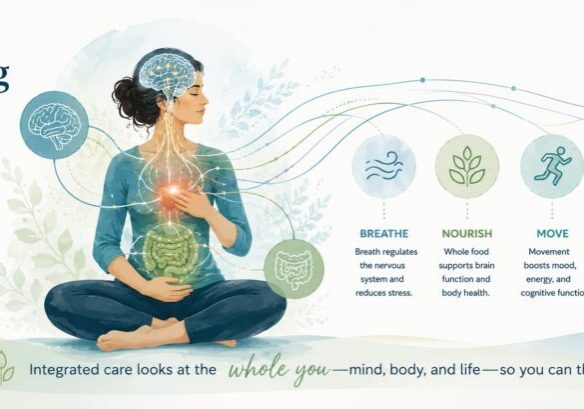
When One Patient Has Five Care Plans: Mental Health Support for Multiple Chronic Conditions
Mental Health and Chronic Conditions: Part 5 of 5 A patient with several chronic conditions may leave different appointments with five medically sound plans that do not fit neatly into one human life. One clinician recommends more movement. Another says...

When Chronic Illness Changes Your Identity
Chronic illness can change far more than a medical chart. It may alter how someone works, parents, socializes, exercises, plans, or sees the future. A person may still look like themselves while privately wondering, Who am I if I cannot...
Cancer Care Needs Emotional Care, Too
Mental Health and Chronic Conditions: Part 4 of 5 Cancer care comes with scans, appointments, treatment decisions, side effects, financial concerns, changing roles, and an emotional vocabulary many people never expected to need. Patients are often encouraged to “stay positive,”...
Your Mental Health Is Not Separate From Your Body
Anxiety may arrive as a racing heart. Depression may feel like physical heaviness. Chronic pain can disrupt sleep, and poor sleep can make mood, concentration, and pain harder to manage. Medication changes, thyroid function, nutritional status, inflammation, and metabolic health...