
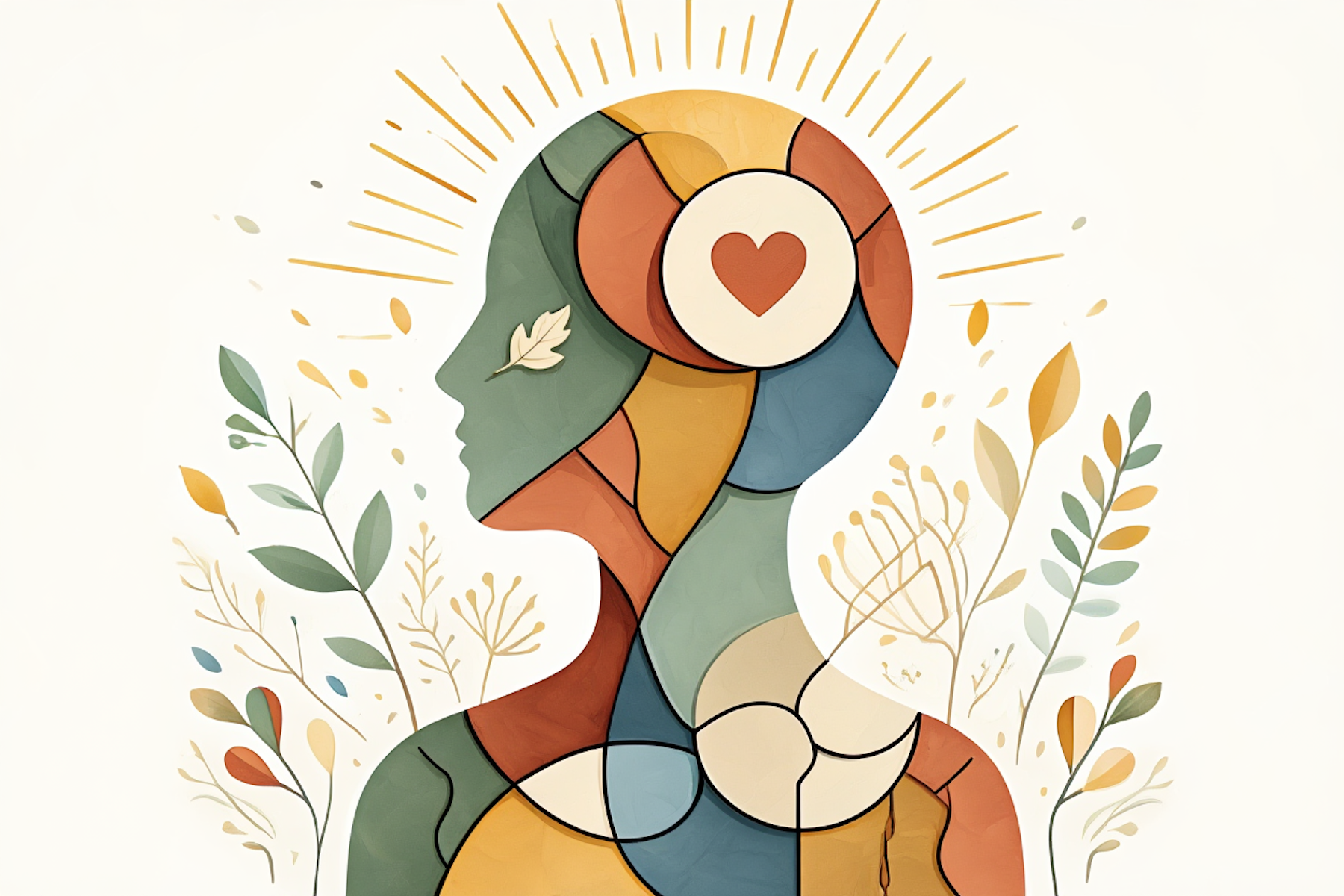
When Chronic Illness Changes Your Identity
Chronic illness can change far more than a medical chart. It may alter how someone works, parents, socializes, exercises, plans, or sees the future. A person may still look like themselves while privately wondering, Who am I if I cannot do life the way I used to?
This experience is sometimes described as identity grief: grief for lost abilities, familiar roles, expected milestones, or a sense of safety in one’s own body.
Grief can exist even when life is still full
People living with chronic illness are often encouraged to stay positive. Hope can be valuable, but forced positivity may leave little room for honest emotions. A person can appreciate what remains and still mourn what changed. Both can be true.
Identity grief may appear as sadness, anger, shame, withdrawal, perfectionism, or repeated attempts to push beyond physical limits. It can also affect relationships when family members do not understand fluctuating symptoms or when responsibilities must be renegotiated.
Therapy is not about convincing you that illness is “all in your head”
Behavioral health support does not deny the physical reality of illness. Instead, it addresses the emotional and behavioral effects of living with symptoms, treatment demands, uncertainty, pain, or fatigue.
Therapy may help someone:
- name and process losses that others may not see;
- reduce self-blame and unhelpful comparisons;
- communicate changing needs and boundaries;
- develop flexible routines for high- and low-energy days;
- reconnect with values, relationships, and meaningful roles; and
- manage anxiety related to symptoms, appointments, or the future.
A changed life can still be a meaningful life
Acceptance does not mean liking the illness or giving up on medical improvement. It means seeing the current reality clearly enough to make choices within it. Over time, people can build an identity that includes illness without allowing illness to become their entire identity.
Mosaic Clinic combines behavioral health with whole-person support and collaborates with medical providers when appropriate. Explore our integrative chronic illness services or start a conversation.
This information is educational and does not replace medical or mental health evaluation, diagnosis, treatment, or emergency care.