
Chronic Illness & Treatment Adherence
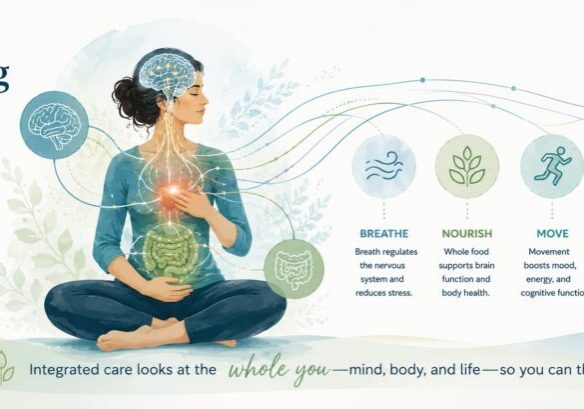
When One Patient Has Five Care Plans: Mental Health Support for Multiple Chronic Conditions
Mental Health and Chronic Conditions: Part 5 of 5 A patient with several chronic conditions may leave different appointments with five medically sound plans that do not fit neatly into one human life. One clinician recommends more movement. Another says...
When Chronic Illness Changes Your Identity
Chronic illness can change far more than a medical chart. It may alter how someone works, parents, socializes, exercises, plans, or sees the future. A person may still look like themselves while privately wondering, Who am I if I cannot...

Cancer Care Needs Emotional Care, Too
Mental Health and Chronic Conditions: Part 4 of 5 Cancer care comes with scans, appointments, treatment decisions, side effects, financial concerns, changing roles, and an emotional vocabulary many people never expected to need. Patients are often encouraged to “stay positive,”...
Chronic Pain Changes More Than the Pain Score
Mental Health and Chronic Conditions: Part 3 of 5 Chronic pain changes more than how the body feels. It can reshape sleep, movement, work, relationships, identity, and a person’s sense of what the future will hold. Over time, patients may...

Caregiver Burnout Is a Health Issue, Not a Personal Failure
Caring for someone with cancer, chronic illness, disability, or complex medical needs can become a full-time emotional job layered on top of every other responsibility. Caregivers coordinate appointments, track medications, manage changing symptoms, communicate with family members, and try to...
Emotional Recovery Is Part of Heart Recovery
Mental Health and Chronic Conditions: Part 2 of 5 After a heart attack, stroke, heart-failure diagnosis, or frightening cardiac workup, patients often receive detailed instructions for protecting their physical health. What may receive less attention is the emotional impact of...

Survivorship Is More Than Finishing Treatment
People often imagine the end of active cancer treatment as a finish line: ring the bell, celebrate, and return to normal. For many survivors, the reality is more complicated. Relief may coexist with fear of recurrence. Gratitude may sit beside...
Diabetes Distress Is Not Noncompliance: How Collaborative Mental Health Support Helps
Mental Health and Chronic Conditions: Part 1 of 5 Diabetes care asks patients to make decisions all day, every day. Food, medication, glucose checks, movement, sleep, appointments, and the constant possibility of complications can turn treatment into a full-time job...
Beyond the Diagnosis: The Role of Behavioral Health in Integrative Oncology and Chronic Illness
Receiving a medical diagnosis—whether it is cancer, an autoimmune disease, cardiac complications, or the onset of perimenopause/menopause—triggers an immediate shift in a patient’s life. While the medical system is designed to treat the pathology, it often leaves the patient to...

Breaking the Pattern: The Psychological Hurdles of GLP Medication Adherence
Primary care providers face a frustrating reality: you can diagnose a condition and prescribe a life-changing treatment, but you cannot force a patient to feel safe enough to take it. For patients with complex, chronic illnesses—such as obesity or metabolic...